How to Prepare Your Event for First Aid Coverage
How to Prepare Your Event for First Aid Coverage
Dec 9, 2025
Dec 9, 2025
How to Prepare Your Event for First Aid Coverage
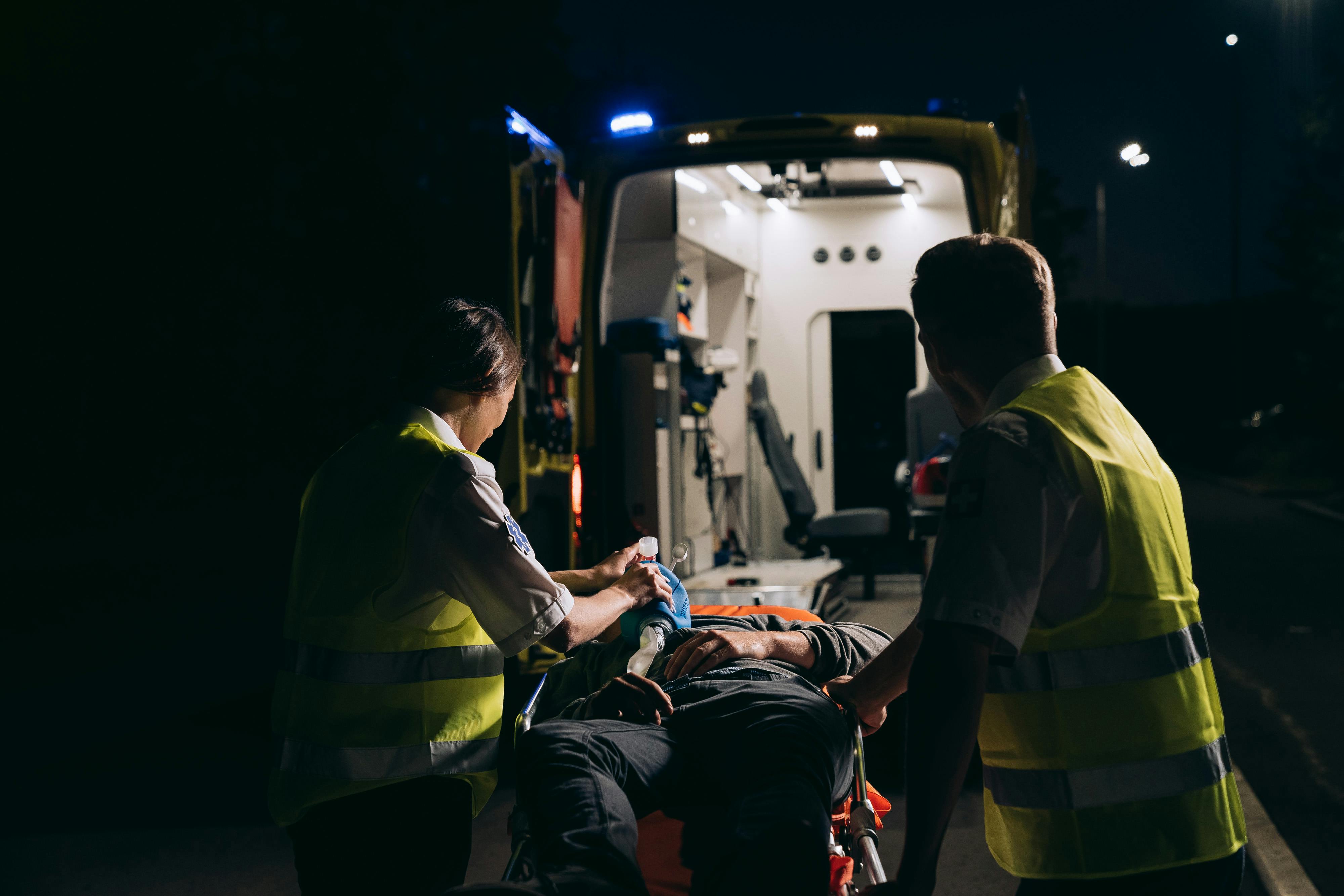
Planning an event involves a lot of moving parts, and ensuring first aid coverage is one of the most crucial aspects. Accidents and medical emergencies can happen at any time, and being prepared not only ensures the safety of attendees but also demonstrates professionalism and responsibility. Here’s a complete guide on how to prepare your event for first aid coverage.
1. Assess the Type and Size of Your Event
Before arranging first aid services, it’s essential to understand the nature of your event:
Event size: Large gatherings require more first aid personnel and equipment. For small events, a single certified responder might suffice.
Type of activities: High-risk activities such as sports events, concerts, or outdoor festivals require a higher level of preparedness compared to corporate meetings.
Attendee demographics: Consider the age group and health conditions of your audience. Events with elderly participants or children may need specialized medical attention.
2. Conduct a Risk Assessment
A thorough risk assessment helps identify potential hazards and prepare for them.
Identify potential risks: Slips, falls, heat exhaustion, allergic reactions, or crowd-related injuries.
Map out high-risk areas: Stages, sporting areas, kitchen or food stalls, and parking areas.
Plan for emergencies: Establish the worst-case scenarios and ensure you have measures to handle them.
3. Determine First Aid Requirements
Once you know the risks, determine the resources you’ll need:
Number of first aiders: Follow local regulations or standards. Larger events generally require more personnel.
Type of first aid coverage: Consider on-site first aid stations, roving medical staff, and ambulance access if necessary.
Equipment and supplies: Stock basic items like bandages, antiseptics, ice packs, defibrillators (AEDs), and oxygen if required.
4. Hire Qualified First Aid Personnel
Professional first aid responders ensure your event is safe and legally compliant.
Certified staff: Look for personnel certified by recognized organizations such as RVMT pr equivalent
Roles and responsibilities: Assign clear duties, from attending injuries to coordinating with emergency services.
Briefing and training: Ensure staff know the venue layout, high-risk areas, and emergency procedures.
5. Set Up First Aid Stations
Strategically placed first aid stations improve response times and accessibility.
Location: Ensure stations are easy to locate, well-signposted, and accessible to all attendees.
Visibility: Use banners, flags, or signage so people can find help quickly.
Supplies: Keep all necessary equipment stocked and organized for quick access.
6. Establish an Emergency Response Plan
A clear plan ensures everyone knows what to do when an incident occurs.
Communication: Equip staff with radios or phones to report emergencies.
Coordination: Assign roles for crowd control, first aid response, and liaison with emergency services.
Evacuation procedures: Prepare routes and instructions in case the situation requires evacuation.
7. Communicate First Aid Information to Attendees
Keeping your audience informed can save crucial time in emergencies.
Signage: Display maps showing first aid station locations.
Event guides: Include first aid information in brochures, apps, or digital schedules.
Announcements: Use public address systems to inform attendees about available medical help.
8. Review and Adjust
After planning, review your first aid arrangements to ensure nothing is overlooked.
Consult professionals: Have your plan reviewed by first aid experts or local authorities.
Reassess risks: Consider any changes to your event layout or activities.
Continuous improvement: Take feedback from previous events to enhance first aid coverage.
Conclusion
Preparing your event for first aid coverage is not just about compliance—it’s about ensuring safety and peace of mind for your attendees. By assessing risks, hiring qualified personnel, and implementing a clear emergency plan, you can handle medical incidents effectively and maintain a secure environment. Proper planning today can prevent disasters tomorrow.
How to Prepare Your Event for First Aid Coverage
Planning an event involves a lot of moving parts, and ensuring first aid coverage is one of the most crucial aspects. Accidents and medical emergencies can happen at any time, and being prepared not only ensures the safety of attendees but also demonstrates professionalism and responsibility. Here’s a complete guide on how to prepare your event for first aid coverage.
1. Assess the Type and Size of Your Event
Before arranging first aid services, it’s essential to understand the nature of your event:
Event size: Large gatherings require more first aid personnel and equipment. For small events, a single certified responder might suffice.
Type of activities: High-risk activities such as sports events, concerts, or outdoor festivals require a higher level of preparedness compared to corporate meetings.
Attendee demographics: Consider the age group and health conditions of your audience. Events with elderly participants or children may need specialized medical attention.
2. Conduct a Risk Assessment
A thorough risk assessment helps identify potential hazards and prepare for them.
Identify potential risks: Slips, falls, heat exhaustion, allergic reactions, or crowd-related injuries.
Map out high-risk areas: Stages, sporting areas, kitchen or food stalls, and parking areas.
Plan for emergencies: Establish the worst-case scenarios and ensure you have measures to handle them.
3. Determine First Aid Requirements
Once you know the risks, determine the resources you’ll need:
Number of first aiders: Follow local regulations or standards. Larger events generally require more personnel.
Type of first aid coverage: Consider on-site first aid stations, roving medical staff, and ambulance access if necessary.
Equipment and supplies: Stock basic items like bandages, antiseptics, ice packs, defibrillators (AEDs), and oxygen if required.
4. Hire Qualified First Aid Personnel
Professional first aid responders ensure your event is safe and legally compliant.
Certified staff: Look for personnel certified by recognized organizations such as RVMT pr equivalent
Roles and responsibilities: Assign clear duties, from attending injuries to coordinating with emergency services.
Briefing and training: Ensure staff know the venue layout, high-risk areas, and emergency procedures.
5. Set Up First Aid Stations
Strategically placed first aid stations improve response times and accessibility.
Location: Ensure stations are easy to locate, well-signposted, and accessible to all attendees.
Visibility: Use banners, flags, or signage so people can find help quickly.
Supplies: Keep all necessary equipment stocked and organized for quick access.
6. Establish an Emergency Response Plan
A clear plan ensures everyone knows what to do when an incident occurs.
Communication: Equip staff with radios or phones to report emergencies.
Coordination: Assign roles for crowd control, first aid response, and liaison with emergency services.
Evacuation procedures: Prepare routes and instructions in case the situation requires evacuation.
7. Communicate First Aid Information to Attendees
Keeping your audience informed can save crucial time in emergencies.
Signage: Display maps showing first aid station locations.
Event guides: Include first aid information in brochures, apps, or digital schedules.
Announcements: Use public address systems to inform attendees about available medical help.
8. Review and Adjust
After planning, review your first aid arrangements to ensure nothing is overlooked.
Consult professionals: Have your plan reviewed by first aid experts or local authorities.
Reassess risks: Consider any changes to your event layout or activities.
Continuous improvement: Take feedback from previous events to enhance first aid coverage.
Conclusion
Preparing your event for first aid coverage is not just about compliance—it’s about ensuring safety and peace of mind for your attendees. By assessing risks, hiring qualified personnel, and implementing a clear emergency plan, you can handle medical incidents effectively and maintain a secure environment. Proper planning today can prevent disasters tomorrow.